
Managing waste in high-density environments requires a precise logistical strategy that accounts for physical property limits and evolving provincial standards. Establishing a consistent collection framework allows Toronto property owners to meet current Ontario waste reduction targets while maintaining site aesthetics.
The Infrastructure Gap in GTA Rental Housing
Analyzing Urban Density and Waste Output
Toronto's multi-residential sector accounts for nearly half of the city's housing stock and produces a significant portion of its daily waste output. This concentration of discarded material within restricted surface footprints requires industrial-grade solutions tailored for dense urban settings. Standard collection models are no longer sufficient for modern multi-unit sites.
The provincial shift toward a circular economy places the legal burden of waste diversion directly on property owners and managers. This policy transition forces a re-evaluation of onsite infrastructure to accommodate complex sorting streams for recyclables and organic materials. Buildings originally designed for simple disposal must now adapt to modern requirements.
Solid Waste Management Services (SWMS) in Toronto requires a formal Waste Management Plan for all new developments. Managers of existing buildings must replicate this level of formal planning to ensure their collection areas remain functional as urban density increases. Data from Statistics Canada indicates that system efficiency correlates with available staging areas.
Navigating Space Constraints with Variable Bin Sizes
Optimizing Footprints for Narrow Laneways
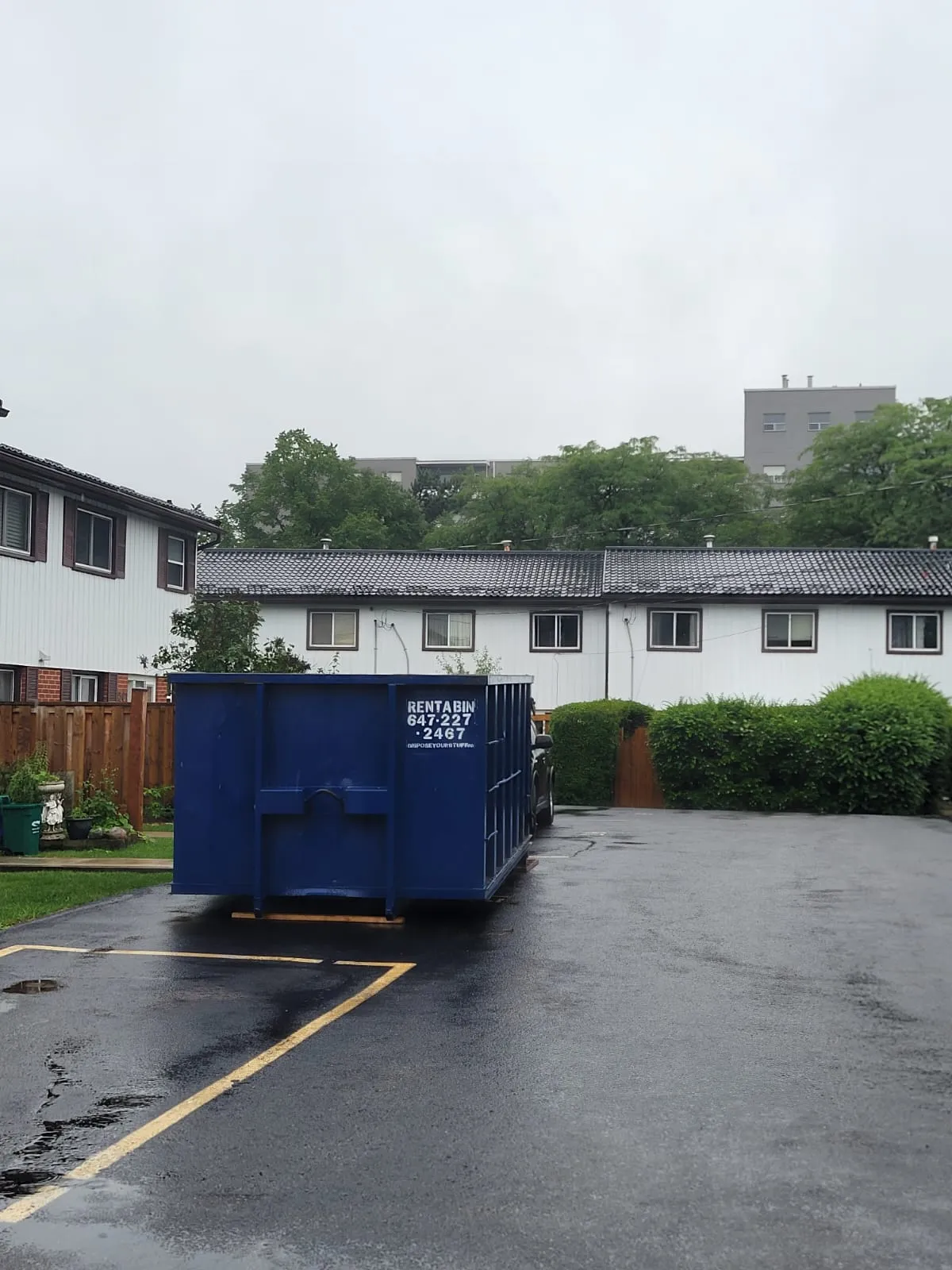
Older apartment complexes in areas like East York or downtown Toronto often feature narrow laneways designed before modern waste trucks existed. These tight corridors require precise maneuvering of delivery vehicles to avoid blocking essential service access. Violating municipal traffic bylaws during pickup cycles remains a constant risk for management teams.
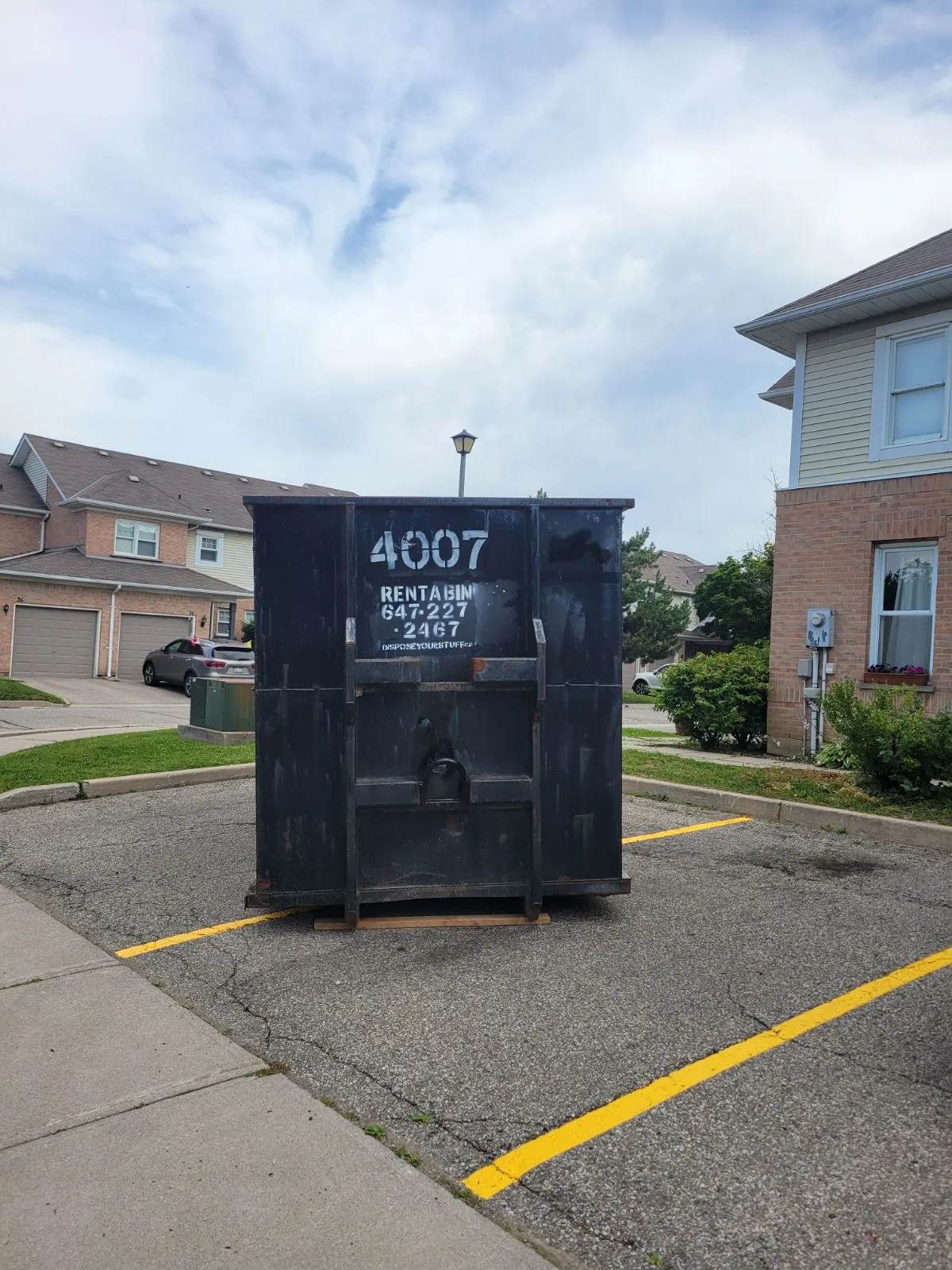
A 40-yard roll-off dumpster provides maximum capacity for major renovations, yet a 10-yard or 14-yard bin is often the only viable option for routine maintenance in tight quarters. Strategic bin selection ensures that property upkeep continues without obstructing emergency egress paths or building ventilation systems in restricted urban quarters.
Property layouts must account for a Type G loading space to accommodate heavy vehicles safely. Managers often transition from traditional front-end collection to roll-off systems when site geometry limits the turning radius of standard municipal trucks. This adjustment prevents damage to onsite infrastructure and landscaping during collection events.
Ontario Waste Diversion Mandates for Multi-Unit Buildings
Compliance Requirements for Six Plus Units
Ontario Regulation 103/94 requires multi-residential buildings with six or more units to implement formal recycling programs. Failure to provide accessible collection areas leads to substantial administrative penalties under the Environmental Protection Act. These fines apply for non-compliance with provincial sorting standards across all residential sectors.
- Aluminum and steel food or beverage containers
- Glass bottles and jars for food or beverages
- Newsprint and fine paper products
- Corrugated cardboard and plastic containers
While property managers facilitate the infrastructure, the success of a recycling bin rental program depends on tenant participation and clear signage. Managerial oversight must include periodic waste audits to identify contamination patterns. This ensures that mixed waste does not compromise specialized streams, which leads to rejected loads.
Implementing a Source Separation Program is mandatory for high-density residential sites. This involves coordinating the Blue Box system for containers and the Green Bin program for organic waste to prevent waste stream contamination. Effective diversion serves as a practical method of reducing the overall volume of the primary garbage stream.
Handling Tenant Turnover and Bulk Waste Surges
Mitigating Fire Hazards During Peak Moves
The first and last days of the month see a sharp increase in discarded furniture and household debris piling up in common areas. These predictable peaks often exceed the capacity of standard onsite containers, creating unsightly conditions for residents. Establishing a proactive removal schedule prevents debris from accumulating in restricted loading zones.
Accumulated bulk waste creates significant fire hazards and violates municipal property standards if left in egress paths. Prompt removal via a roll-off dumpster rental is the most efficient method for maintaining site safety. Compliance with fire prevention regulations remains mandatory for maintaining valid building insurance and resident protection.
Tenants frequently discard oversized items and household hazardous waste (HHW) during move-out windows. Managers must ensure that HHW materials are diverted from standard bins to avoid environmental liability and potential fines. Monitoring common areas during turnover dates identifies unauthorized dumping before it becomes an unmanageable logistics problem.
Managerial Tip for Bulk Collection
Always schedule bulk bin delivery 24 hours prior to major turnover dates. This ensures the infrastructure is physically present before tenants begin discarding heavy furniture in corridors or loading bays. Residents can also use 311 Toronto to find local drop-off depots for hazardous materials the bin cannot accept.
Evaluating Weekly and Monthly Collection Cycles
Cost Efficiency in Collection Frequency
Property managers must determine if a high-frequency weekly rental or a larger monthly roll-off dumpster is the most cost-effective solution. Factors such as unit count and historical waste volumes inform this critical financial decision. Precise data on volume capacity is found in a bin sizes and rental prices guide.
Fixed monthly schedules may appear cheaper on paper, but the cost of clearing overflow waste often exceeds the price of frequent service. Operational efficiency is achieved when the collection cycle matches the building's natural generation rate. This eliminates the need for expensive emergency pickups and prevents debris accumulation that attracts pests.
Monitoring fill levels prevents over-limit surcharges and ensures that site staff are not handling dangerous materials manually. Effective waste logistics involve constant observation of the bin stream to ensure hazardous materials are not introduced. Concluding the logistical analysis requires looking toward the future of sustainable property management.
Future Proofing Waste Systems for Urban Density
Adopting Sortation for Net-Zero Goals
As Toronto moves toward net-zero waste goals, the infrastructure for sorting mixed waste and recyclables will become a key feature of property value. Modernizing systems today protects the asset's future financial performance and marketability. These community-wide targets impact how properties are assessed for their environmental footprint during official valuation processes.
Buildings with outdated waste systems will face higher disposal fees compared to those utilizing specialized services for sorted materials. Adopting the 3Rs framework allows managers to align with the Ministry of the Environment Conservation and Parks (MECP) guidelines and the Toronto Green Standard. Proactive compliance protects the bottom line from regulatory shifts.
The role of professional waste management remains the definitive factor in maintaining GTA rental assets. Establishing a relationship with a reliable provider ensures the property adapts to the intense demands of the rental market while maintaining compliance. Site safety and regulatory adherence are non-negotiable factors for successful multi-residential operations.