
Legal frameworks dictate everything from the physical placement of equipment to the exact weight of individual bags permitted on the curb. Navigating these requirements is essential for maintaining operational efficiency and avoiding the steep penalties associated with non-compliance in the Greater Toronto Area.
Legal Framework for Greater Toronto Area Waste
Primary Municipal Regulations
Toronto Municipal Code Chapter 844 remains the primary authority for residential waste collection within the city limits. This regulation mandates specific storage conditions to protect public health and urban infrastructure. The code explicitly outlines the Prohibited Waste classification which includes materials municipal trucks cannot legally collect from residential addresses.
In Mississauga and Brampton, the Region of Peel By-law 35-2015 currently dictates how residents must stage their materials for collection. These local laws create a uniform standard across the expanding urban corridor of Southern Ontario. Field operations must align with container specifications to ensure that municipal equipment can safely service the residential property.
Watertight and rodent-proof receptacles are mandatory under Toronto Municipal Code Section 629-22 to mitigate environmental hazards and pest activity. Ignoring these standards often results in uncollected waste and potential property violations. Each municipality maintains distinct enforcement windows that govern when and where staging equipment may appear on the property line.
Curbside Collection Thresholds and Weight Limits
Navigating Regional Weight Constraints
Waste bags and individual items must not exceed 20 kilograms in Toronto and Durham Region. This strict weight limit prevents worker injuries during manual collection cycles. While automated bins support higher capacities, excess waste outside these carts remains bound by the lower manual threshold for manual collection safety.
Volume restrictions are equally rigid across the surrounding regions. In Halton Region, the base limit is set at three bags every other week. Residents may add up to three tagged bags for a maximum of six containers, provided each remains under the regional weight limit of 23 kilograms per unit.
- Toronto. 20 kilogram limit for manual bags or tagged excess items.
- Durham. 20 kilogram maximum for all individual curbside containers.
- Halton. 23 kilogram weight limit with a strict six-bag total volume.
- Peel. Compliance with regional calendars is mandatory for residential zones.
Exceeding these limits typically leads to rejected pick-ups and municipal warnings. Standard residential trucks lack the hydraulic capacity to process the dense materials generated during structural teardowns. Professional logistics planning identifies these bottlenecks before they cause significant delays in the renovation schedule.
Logistics for High Density Renovation Materials
Managing Structural Debris Flows
A typical bathroom remodel generates a logistical crisis when porcelain and drywall accumulate on a residential driveway. Municipal rear-load vehicles cannot process these heavy materials without risking mechanical failure. Leaving unsecured Construction and Demolition materials at the curb in Etobicoke or North York constitutes a property standards violation.
City services frequently reject bulk loads containing concrete, tile, or roofing shingles. Implementing Construction Bin Rentals provides a compliant and efficient path for moving these heavy-tonnage loads. This strategy keeps the job site organized while maintaining neighborhood safety standards and aesthetic appeal throughout the demolition project.
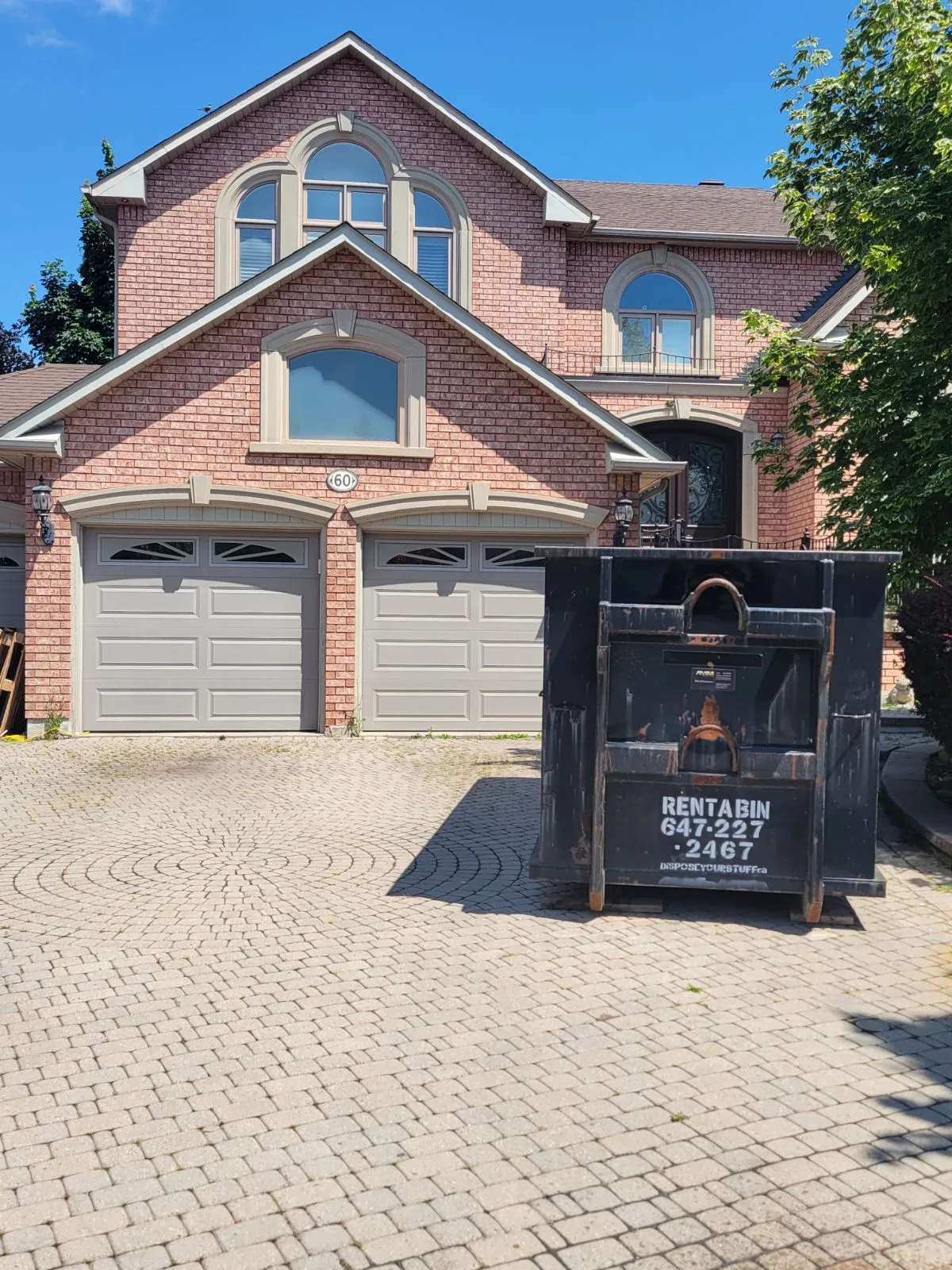
Specialized disposal services bridge the gap between residential convenience and commercial-grade requirements. Utilizing Mixed Waste Bin Rentals ensures that dense C&D materials are managed by appropriate roll-off equipment. This logistics model prevents hazardous accumulation in urban zones while following strict municipal disposal protocols.
Environmental Compliance and Material Sorting
Provincial Diversion Mandates
Many property owners assume that all renovation leftovers can be mixed into a single disposal stream. However, mandatory Source Separation for organics and recyclables is a cornerstone of Ontario environmental law. Failure to sort these materials results in rejected loads and significant environmental surcharges at regional transfer stations.
These requirements align with targets established by the Ministry of the Environment, Conservation and Parks. Oversight provided by this provincial body ensures that a specific material stream is diverted from landfills. Under O. Reg. 103/94, specific industrial and residential sectors must implement audit and separation plans.
Contractors must ensure that hazardous materials never enter the general waste stream. These items require processing at MECP-approved facilities to protect local groundwater. Proactive sorting is the only method to maintain legal standing during a demolition project while meeting the rigorous requirements of the Toronto Green Standard.
Implementing a robust Waste Diversion strategy reduces the long-term impact on municipal infrastructure. Every project should account for the lifecycle of the debris it produces. This commitment to sustainability ensures that materials are repurposed rather than occupying finite landfill space.
Site Safety and Bin Placement Standards
Equipment Clearance Requirements
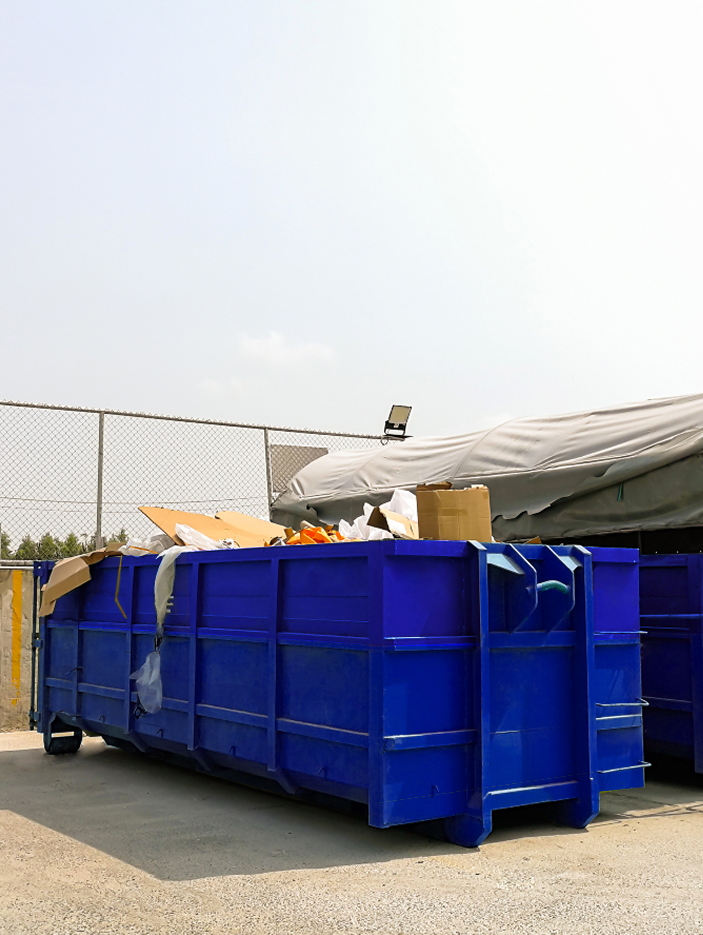
High-capacity roll-off trucks require at least 25 feet of vertical clearance to deploy containers safely. This space allows the hoist mechanism to lift a large container without interfering with utility lines. Mature GTA neighborhoods often feature low tree canopies that present navigational challenges for heavy machinery operators throughout the delivery process.
Protecting the driveway surface is a practical necessity when staging heavy steel containers. Avoiding the municipal right-of-way is mandatory to ensure that equipment does not block public sidewalks. If placement on city property is unavoidable, homeowners must obtain a Street Occupation Permit through the municipal transportation department.
Proper placement ensures that the equipment remains stable throughout the loading process. Using wooden protection planks helps distribute the weight across the driveway surface. This simple precaution prevents asphalt cracks caused by the extreme pressure of fully loaded bins and the heavy trucks that transport them through narrow urban streets.
Integrated Waste Solutions for Urban Properties
Homeowners frequently compare the speed of Junk Removal against the duration of a monthly bin rental. While removal services offer rapid relief for cluttered garages, a stationary bin serves as a consistent collection point for ongoing renovations. Selecting the service that matches the operational timeline is essential for project fiscal efficiency.
Effective management in the GTA requires aligning the container size with the specific municipal disposal route. Whether managing a small basement purge or a major structural overhaul, equipment choice dictates both cost and compliance. Professional intervention becomes necessary when the volume of debris exceeds the capacity of municipal systems.
Strategic Conclusions for Property Owners
Maintaining Long Term Compliance
The complexity of waste regulations in Southern Ontario necessitates a detailed approach to material handling. By respecting municipal weight thresholds and sorting protocols, residents avoid the financial penalties associated with improper disposal. Clear communication regarding vertical clearance ensures that equipment arrives and departs without structural incident or site damage.
Project success depends on the integration of professional logistics and local bylaw adherence. Every phase of the removal process must support provincial goals from the first load to the final site sweep. This dedication to regulatory standards protects the property owner while ensuring the community remains safe and clean for all residents.