
Managing a renovation in Brampton requires strict adherence to municipal waste regulations to avoid escalating project costs. The city utilizes a tiered enforcement system that targets unauthorized bin placement on boulevards and residential streets, making pre-delivery compliance a primary operational requirement.
Brampton Waste By-law Enforcement Risks
Municipal Administrative Penalties
Brampton property owners receive immediate Penalty Notices for unpermitted bin placement on municipal boulevards. This enforcement follows the Administrative Monetary Penalty System framework established by Encroachment By-law 47-2025 to maintain clear public rights-of-way.
A container dropped on a residential street without a permit often triggers a visit from a by-law officer within 24 hours. The cost of the resulting fine frequently exceeds the price of the rental itself, making pre-delivery compliance essential for contractors.
The city maintains these regulations to ensure emergency vehicle access and protect the integrity of municipal infrastructure. If a resident disagrees with a citation, they must request an initial review by a Screening Officer within 15 days of the Notice date.
Official citations are issued under the Brampton Administrative Penalties By-law. Ignoring these notices leads to the automatic escalation of fees which are ultimately applied to the property tax bill for permanent collection.
Road Occupation and Encroachment Permit Requirements
Application Procedures for Municipal Access
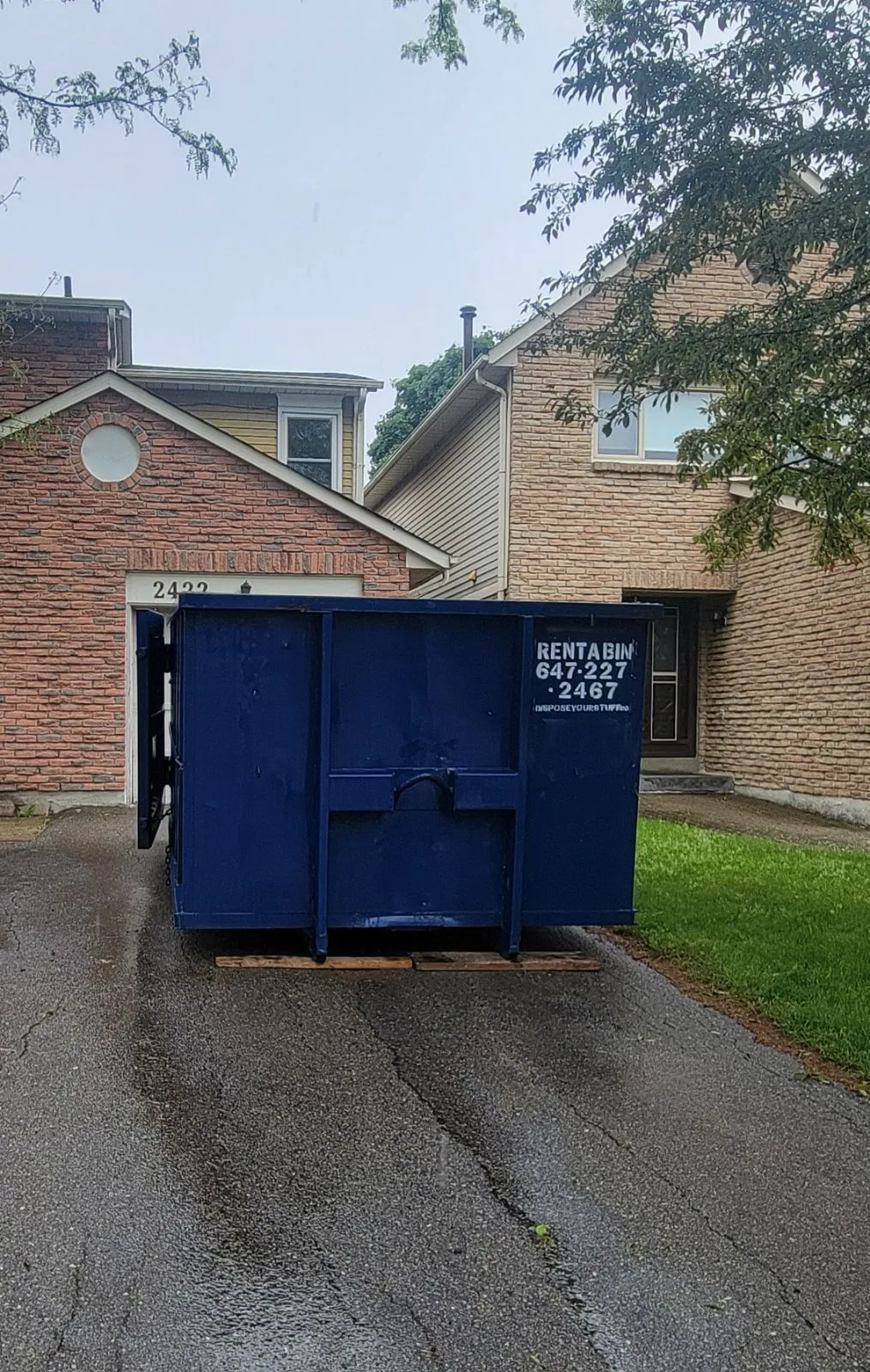
While driveway placement is generally exempt, any bin extending onto the sidewalk requires a Street Occupancy Permit (SOP). This document must be secured before the disposal bin arrives at the site to avoid immediate work-stop orders.
Contractors may assume general liability insurance covers road blockages, but the City of Brampton requires a specific application including a site plan. This process ensures the bin maintains a 0.5 metre clearance from the traffic lane and respects the ten day placement limit.
Permit processing times vary, making early application a prerequisite for scheduled renovations. Applications must be submitted to the Public Works Department at least five business days before the intended delivery date.
A non-refundable fee covers the city's inspection of the site both before and after the bin placement. Ensuring the container sits entirely within the permitted zone avoids enforcement action by passing by-law units patrolling residential zones.
Prohibited Materials and Environmental Standards
Regional Waste Diversion Goals
Many residents believe a mixed waste bin can hold any household item, but Peel Region regulations strictly prohibit Household Hazardous Waste (HHW). Items like propane tanks and car batteries are flagged during the sorting process at the transfer station.
When a bin containing prohibited items is tipped, the entire load is often rejected by the facility operator. This results in significant tipping fees and contamination penalties that are passed directly back to the permit holder or resident.
Effective source separation is the only way to meet regional waste diversion goals for large-scale demolition projects. Electronics and tires require separate handling under Ontario’s individual producer responsibility framework rather than placement in a standard rental.
Sorting materials at the source is the most effective way to manage total disposal costs. Placing prohibited items in a mixed waste bin rental triggers an automatic environmental surcharge that can double a budget instantly.
Site Safety and Property Boundary Rules
Infrastructure Protection Standards
In Brampton, a bin must be placed a minimum distance from fire hydrants and utility access points. Obstructing a water shut-off valve can lead to an emergency removal order by city officials to maintain public safety.
How does a homeowner protect their asphalt from the weight of a 20 yard bin? Using wooden planks to distribute the load prevents structural damage and avoids property standards violations while ensuring site integrity during the renovation.
Property Standards By-law 104-2002 dictates how long a waste container can remain visible on a residential lot. During overnight hours, the city requires reflective amber lighting to ensure low visibility safety for passing motorists and pedestrians.
Homeowners should verify the location of water shut-off valves and gas meters before the truck arrives. Obstructing these points is a violation of municipal safety codes. The cost of a forced relocation by the city is higher than the initial delivery fee.
Load Limits and Transportation Safety
Highway Traffic Act Compliance
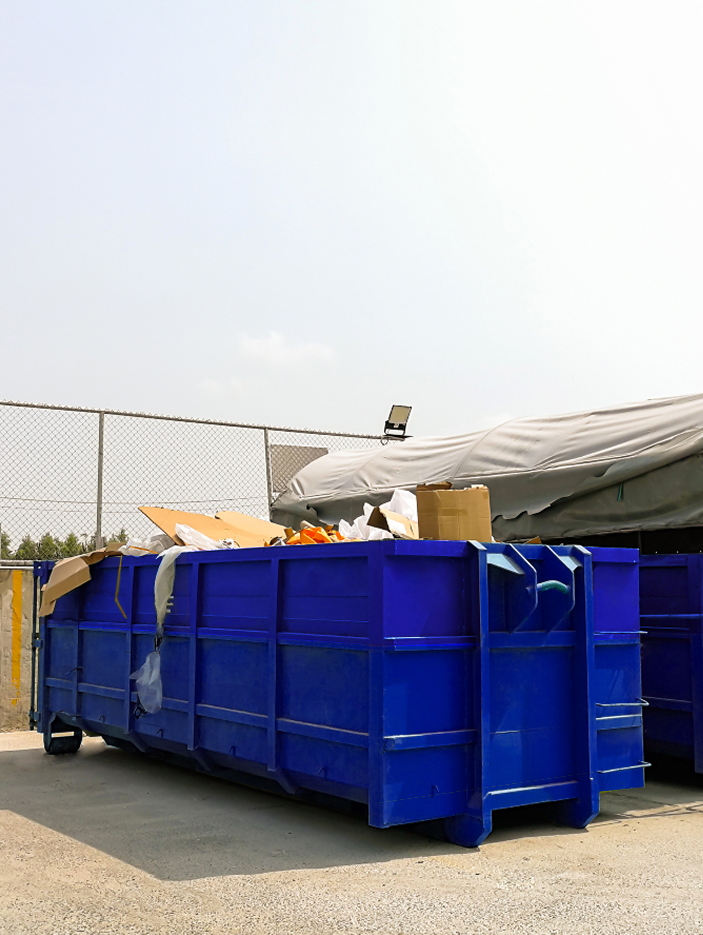
Overfilled bins are illegal to transport under the Ontario Highway Traffic Act. Debris must not extend beyond the top rim, as it poses a significant risk to other motorists in the Region of Peel.
A level load ensures the tarping system can fully secure the waste, whereas a "heaping" load forces the driver to refuse pickup. This refusal results in a dry-run fee and requires immediate load securement adjustments.
Heavy materials like concrete in a large bin can exceed the mechanical lifting capacity or the Gross Vehicle Weight (GVW) limits. Utilizing a smaller 14 yard bin for dense aggregates is the only way to remain within provincial weight guidelines.
Drivers are strictly prohibited from hauling loads that exceed the registered Gross Vehicle Weight of their equipment. Failure to comply with weight limits results in MTO citations that impact the commercial safety rating of the carrier.
Regulatory Compliance Verification Steps
Pre-Delivery Site Documentation
Professional waste management is not merely about bin delivery; it is about adherence to the municipal framework. Following these steps prevents the financial friction of by-law citations during your project.
Measure the intended placement area to ensure a three-foot clearance from all property lines. If any portion of the bin touches the sidewalk, contact the Brampton Clerk's Office to initiate the SOP process.
- Verify zoning via the GeoHub portal.
- Secure a SOP permit for road use.
- Install reflective amber lighting for night.
- Maintain 0.5 metre clearance from traffic.
Verify your specific zone on the City of Brampton GeoHub portal to confirm if heritage overlays affect your lot. Use the official municipal checklist to document your site preparation before the construction bin rental arrives at the property line.