
How weekly and monthly bin rentals differ
Homeowners in the middle of a renovation or basement cleanout, and general contractors running a job site, face a choice between a weekly bin rental and a monthly bin rental that decides how many times a truck is paid to come back. Fewer pickups generally means lower haul costs, a point Environment and Climate Change Canada makes about container rental and transportation costs, so a rental length that does not match the project pays for hauls or idle days nobody needed. Check that trade-off against the bin sizes and pricing page before booking.
A weekly or monthly bin rental from Dispose Your Stuff is a roll-off container kept on site across Milton, Mississauga, Brampton, Oakville and Etobicoke for a set period, chosen by whether debris arrives in one burst or keeps arriving.
Matching rental length to how waste arrives
A basement cleanout or a single-room tear-out tends to produce its debris in one concentrated stretch, so the bin fills, the work ends, and the container has no further job on the property, a pattern that points toward a weekly rental. When the volume is too small or too scattered to justify a container at all, having a crew load and haul the items away can make more sense than paying for a bin that sits half empty in the driveway.
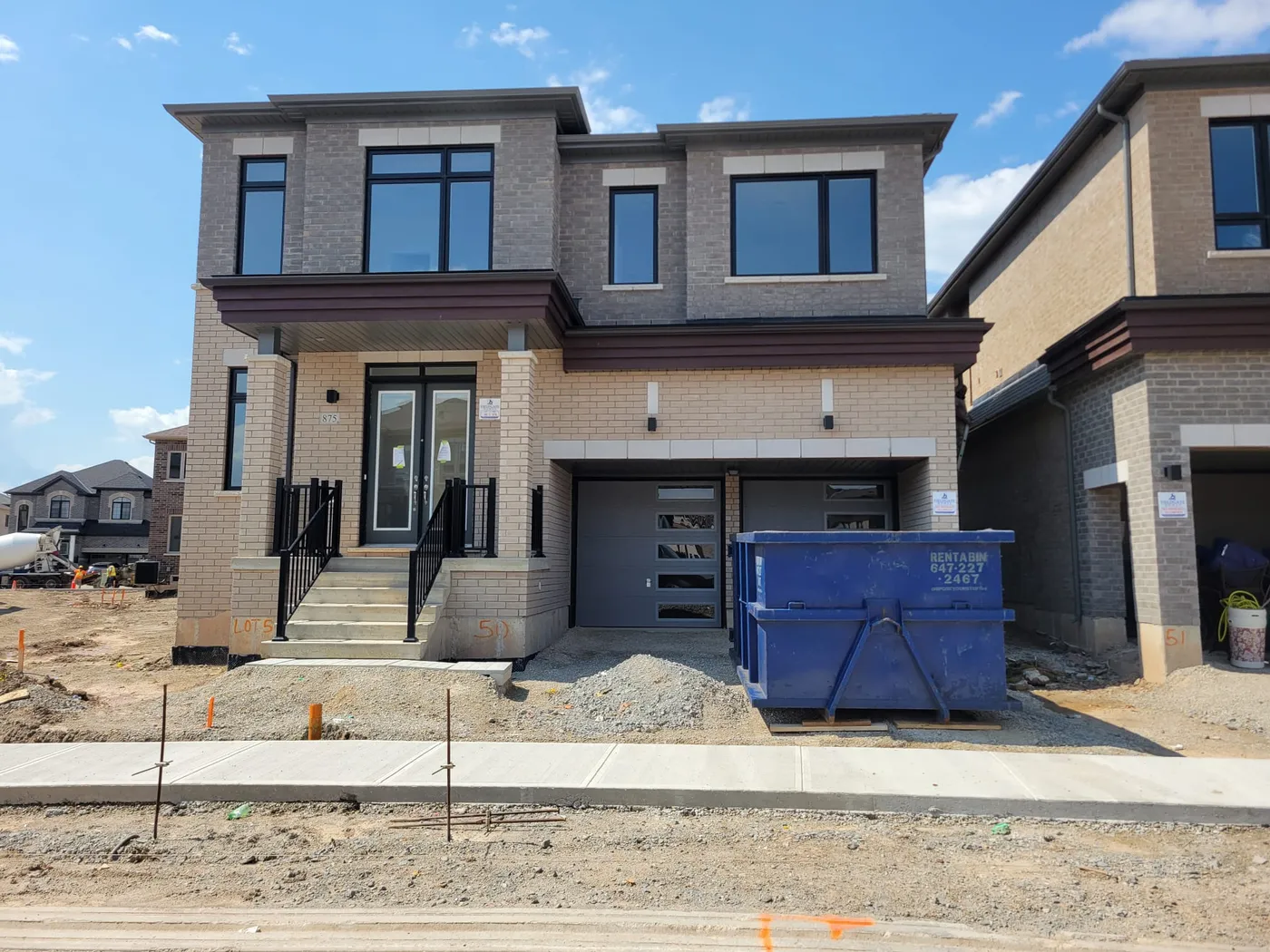
A builder's site works differently, because waste keeps coming as demolition, framing, drywall and finishing trades pass through. Re-booking a fresh weekly bin each time leaves gaps where offcuts and packaging pile up on the ground between deliveries. A monthly rental keeps a container in place for the whole stretch, and a call to 647-227-2467 arranges a pickup and replacement when it fills, which suits the rhythm of a construction bin rental on an active site.
Homeowners doing the work themselves in stages, a bathroom one month and flooring on weekends after that, generate waste more like a job site than a cleanout. For them a monthly rental with an occasional swap can mean fewer hauls than booking a new weekly bin for every phase, since the container stays put between bursts of work.
Why the biggest bin is not always cheapest
Dispose Your Stuff rents five container sizes, listed below, with current details on the bin sizes and pricing page. A larger container on a monthly rental holds more debris between pickups, which can mean fewer hauls, making size the second dial after rental length.
Ordering the largest bin for heavy debris looks like the cheapest move until the load turns out to be pure aggregate, which Dispose Your Stuff accepts only in its 4 and 10 yard bins. A project producing soil, stone or concrete may therefore need a small bin swapped more often, whatever the rental length, so a yard or hardscape job should be sized around the material first and the calendar second.
Sorting recyclable material into its own container can reduce how often the general debris bin needs emptying. On a monthly rental expected to need several swaps, pricing a recycling bin rental alongside the main container is worth doing before the first load goes in.
Items that cannot go in the bin
Dispose Your Stuff will not haul the materials listed below, whatever the rental length or bin size. If a crew arrives to find any of them in a container, the company has the right to leave the bin where it sits or charge for the contamination, and either outcome erases whatever was saved by planning swaps carefully.
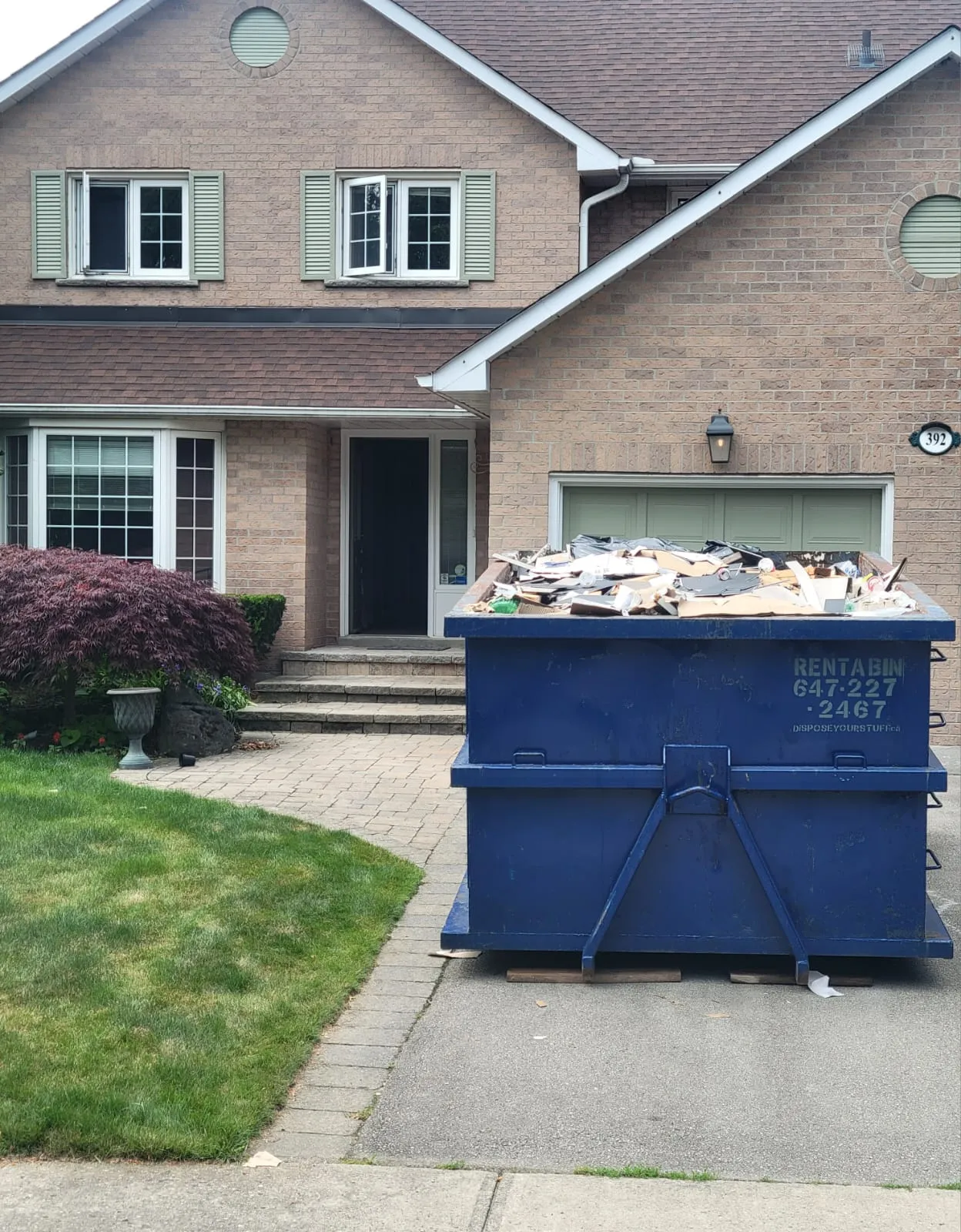
A monthly bin on a site shared by several trades takes loads from far more hands than a one-week cleanout, and any one of them can toss in a solvent can or a full pail of paint without knowing the rule. The contractor holding the rental should brief every trade on the restricted list at the start, because a contaminated bin may be left in place or charged for contamination, which can delay the job.
- Hazardous chemicals and solvents
- Tires
- Explosives and fireworks
- Full paint cans
- Pure aggregate in any bin other than the 4 yard or 10 yard size
Booking the bin in your city
Dispose Your Stuff serves Milton, Mississauga, Brampton, Oakville and Etobicoke, and the bin rental service area page covers each city. Before calling, have three details ready: the project type, the main material with any soil, stone or concrete noted, and whether debris will come out in one burst or over several weeks. Those answers set the rental length, the bin size and the likely number of swaps.
Before any debris comes out, clear solvents, full paint cans, tires and fireworks from the work area so nothing on the restricted list ends up in the first load. Then call Dispose Your Stuff at 647-227-2467 or use the online booking page, naming weekly or monthly and the bin size, so the container is in place before demolition starts and the first wall that comes down has somewhere to go other than the ground.