
Items that cannot go in any bin
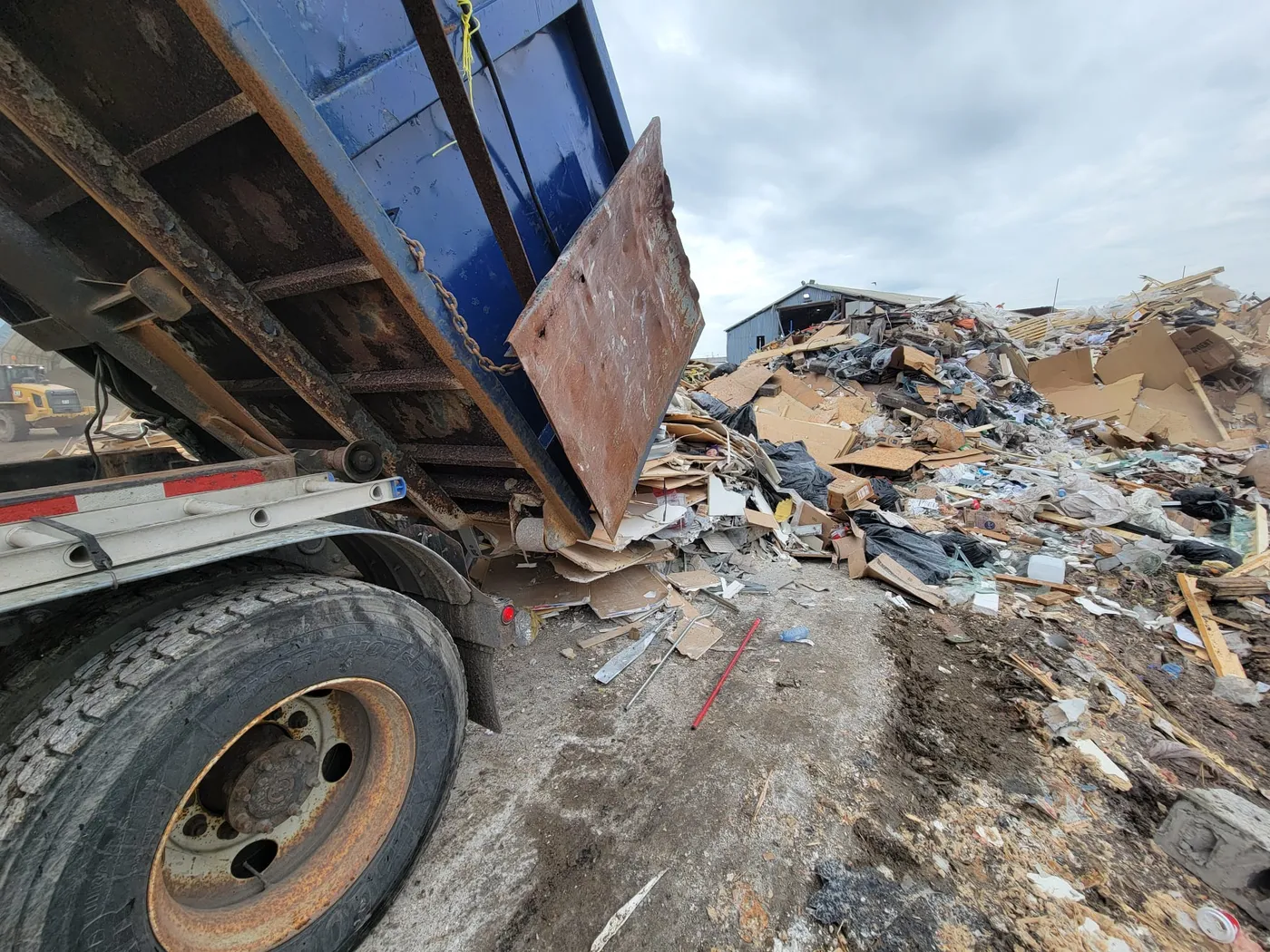
Homeowners clearing a basement or gutting a kitchen, and contractors running a job site, need one thing in hand before loading starts, which is a separate pile of banned items pulled out of the waste stream. Dispose Your Stuff does not accept tires, hazardous chemicals and solvents, explosives and fireworks, or full paint cans in any bin, and a crew that finds them has the right to leave the bin where it sits or charge for the contamination.
Most of these items have nothing to do with the renovation itself. Leftover paint and solvent cans tend to sit on basement shelves, old tires collect in garages, and forgotten fireworks surface in storage boxes once a cleanout gets going. A walk-through of every room, the garage and any crawl space, made before the bin arrives, lets you gather them in one spot well away from the loading area, where nobody carrying debris out will tip them in by habit.
Paint cans turn up on almost every renovation, and plenty of them will be half used or dried out. The restriction as Dispose Your Stuff states it covers full paint cans, and nothing in that rule promises that a partly used or dried can will be accepted, so call 647-227-2467 and describe the condition of each can before any of them goes near the bin.
Separate pure aggregate before choosing bin size
Tipping broken concrete, brick and stone into whatever large bin sits on the driveway is a common mistake, because Dispose Your Stuff takes pure aggregate loads only in its 4-yard and 10-yard bins, as the bin sizes and pricing page sets out alongside the 14-yard, 20-yard and 40-yard options.
A teardown that produces both broken concrete and framing lumber is really two loads with two sets of rules. Keep the aggregate in its own pile so it can go into a 4-yard or 10-yard bin, and send the lumber, drywall and other mixed debris to a 14-yard, 20-yard or 40-yard bin sized to the volume you expect. Weight limits and rates belong in the quote for your specific job, so confirm both when you book.
Keep wood offcuts, drywall scraps and bagged trash out of the aggregate pile as the work proceeds, since any of them turns a pure aggregate load into mixed debris, and stage that pile on the far side of the work area from the general waste. Jobs that involve tearing out walls, slabs or whole structures can find the matching bin options on the demolition bin rentals page.
Pull scrap metal out by grade
Scrap yards serving the area post metal by grade, and one Brampton yard's list is typical in splitting aluminum extrusion, copper wire, insulated wire, yellow brass, heavy melt steel and end-of-life electronics into separate categories. Use those grades as the template for the on-site sort. Set aluminum window frames, brass plumbing fittings, copper wiring, steel studs and old electronics such as routers and thermostats into their own piles as they come out of the walls, since a yard handles each grade separately.
The Brampton yard states that it serves Mississauga, Oakville, Etobicoke and Milton, which puts a drop-off point for sorted metal within reach of a job anywhere across the five cities. A contractor finishing a basement in Milton or a kitchen in Etobicoke can take the separated piles to a yard that already lists that city in its service area.
Metal values move, and Peel Scrap Metal Recycling makes that plain by stamping its price list with a 'Prices as of' date and stating that prices change without notice. Plan the sort around the grades themselves, then check the current posted list on the day you haul, since a figure noted at the start of a project may not hold by the time the last steel stud comes down.
Insulated wire and bare copper wire appear as separate grades on those lists, so keep them in separate containers from the first cut. Metal tipped into a general debris bin loses that separation, and once it is mixed in with wood and cardboard the grade a yard would recognize is buried in the pile.
- Stack aluminum window frames and trim as aluminum extrusion
- Coil bare copper wire on its own
- Bag insulated wire separately from the bare copper
- Collect brass plumbing fittings as yellow brass
- Pile steel studs, brackets and heavy offcuts together as heavy melt steel
- Set aside old routers, thermostats and other end-of-life electronics in a covered box
Match each sorted stream to a bin type
With banned items, aggregate and metal out of the way, a gutted kitchen still leaves cardboard from new cabinet boxes, broken drywall and old flooring, while a yard overhaul leaves sod and branches. Each of those streams lines up with a specific Dispose Your Stuff service, and the order below runs from the cleanest material to the most mixed.
Driveway space decides how many streams a site can run at once. A homeowner with a single parking pad usually gets the most from one mixed waste bin, while a contractor with room on the lot can run a recycling bin for cardboard beside a construction bin and keep bulky packaging out of the heavier load. Work that throws off waste across several weeks fits the weekly or monthly rental terms Dispose Your Stuff offers.
That same capacity question applies before the first wall comes down. Household items cleared out of a basement before a renovation starts can go through Dispose Your Stuff junk removal, which leaves the rented bin's full capacity for the construction debris that follows. On a driveway with room for only one bin, that capacity often decides whether the job needs a second haul.
- Cardboard and other recyclables go to recycling bin rentals, where they stay out of the general debris.
- Yard and landscaping debris goes to a landscaping bin rental.
- General renovation debris such as drywall, trim and flooring goes to a construction bin rental, or to a mixed waste bin rental when the job produces a bit of everything.
- Teardown debris from removing walls or structures goes to a demolition bin rental.
Book bins once the sort list is set
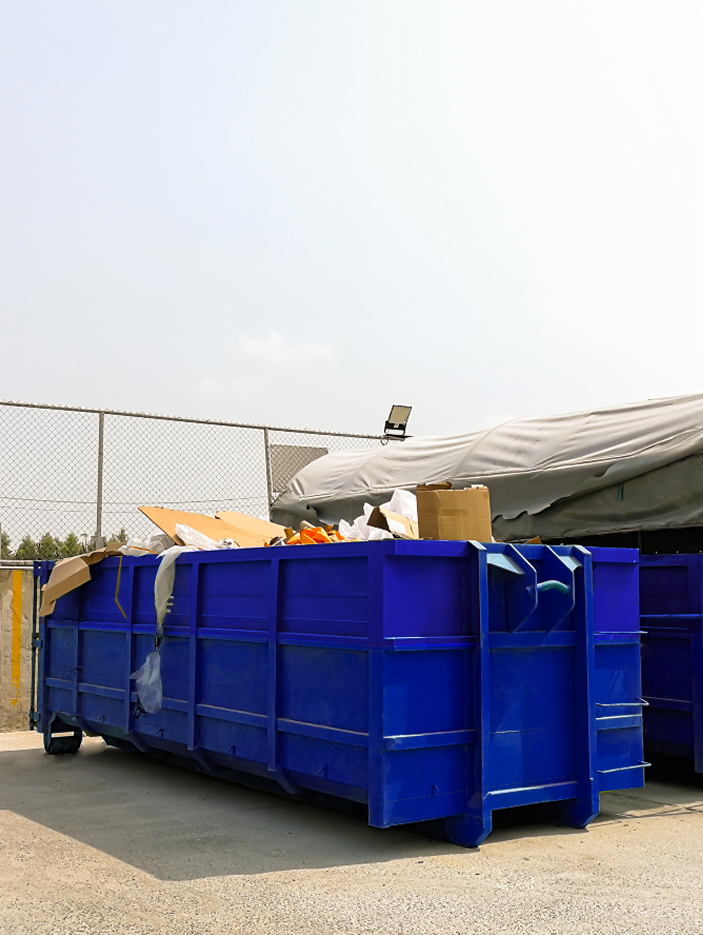
Write down every stream the job will produce before calling, covering aggregate, metal by grade, cardboard, landscaping debris and mixed debris, with a rough sense of how much of each. That list tells Dispose Your Stuff whether a 4-yard or 10-yard bin is needed for the aggregate and which of the 14-yard, 20-yard or 40-yard bins suits the remainder, and it shows whether a separate recycling or landscaping bin is worth adding to the order.
Pull every full paint can, solvent container, tire and box of fireworks out of the pile today, then call Dispose Your Stuff at 647-227-2467 or use the booking page with the sort list in hand, whether the job is in Milton, Mississauga, Brampton, Oakville or Etobicoke. A single full paint can or solvent container left in the bin gives the crew the right to leave it unemptied or add a contamination charge.