Items that add contamination charges to a bin
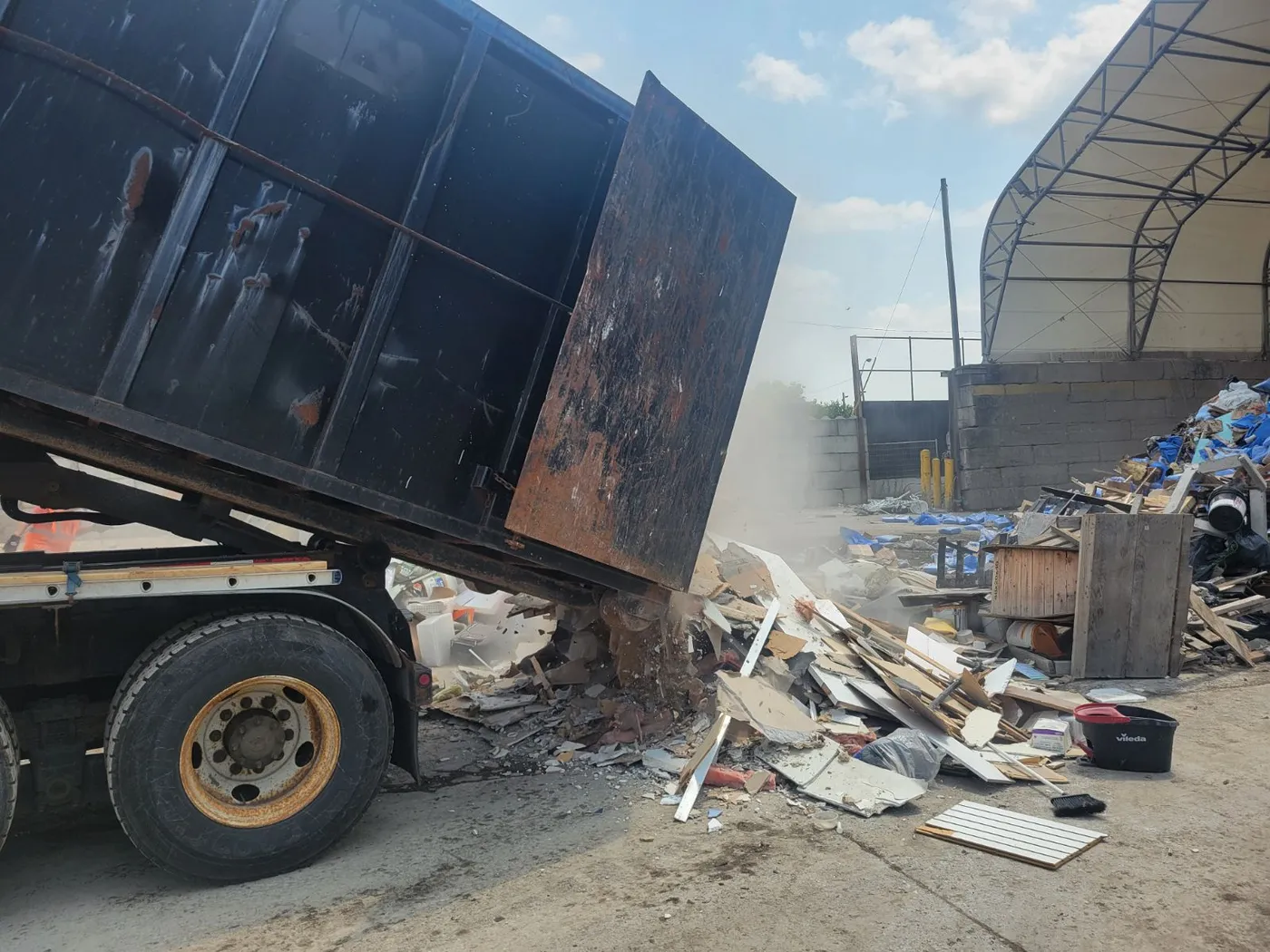
Homeowners in the middle of a renovation and general contractors running a job site face the same avoidable cost on a construction waste bin, a contamination charge triggered by what goes inside it. Dispose Your Stuff crews may leave a bin on site, or charge for contamination, when it holds hazardous chemicals or solvents, tires, explosives or fireworks, or full paint cans, which is the fastest way a planned rental turns into a larger bill or a stalled pickup.
A shared job-site bin collects debris from every trade working on the property, so a single full paint can left by one crew, or a set of tires dropped in by someone else on site, is enough to put the whole load at risk. Because bin rental means a container is delivered to your site and picked up when the job is done, that risk rides along until pickup, and Dispose Your Stuff reserves the right to empty bins on site if they contain contaminants or hazardous waste, and to return any load rejected at a dump site.
Keeping solvents, paint cans that still hold liquid, tires and fireworks physically apart from the bin for the full rental period is the one cost control that adds nothing to the invoice. On a busy site that means telling every trade where the separate pile sits on day one, and with those items kept out, the size of the container ordered becomes the main variable left on the bill.
Choosing among the five bin sizes
Dispose Your Stuff rents five container sizes, the 4, 10, 14, 20 and 40 yard bins, and the bin sizes and pricing page shows the dimensions and flat rate for each. Because the size booked is the size billed, checking that page for the current rate on each container before an order goes in is the first step in keeping the invoice where it was planned.
Ordering the largest bin to be safe shifts the cost picture as surely as ordering one that is too small, since an undersized bin can leave a renovation with more debris than space and a second container to book before the work is done. Each bin size carries a flat rate for the rental period, but loads over the bin's weight allowance, extra days and fuel surcharges can add to the bill, as the pricing page sets out.
The 4 and 10 yard bins suit compact renovation work such as a single bathroom or a small basement cleanout, while the 20 and 40 yard sizes are the containers booked for larger construction and demolition work, so the scale of the job points to one end of the range or the other.
- 4 yard bin, the smallest option and one of two sizes that accept pure aggregate
- 10 yard bin, which also takes pure aggregate loads
- 14 yard bin
- 20 yard bin, a common pick for a full-house renovation site
- 40 yard bin, the largest container in the lineup and meant for big volumes of lighter debris
Where pure aggregate is allowed
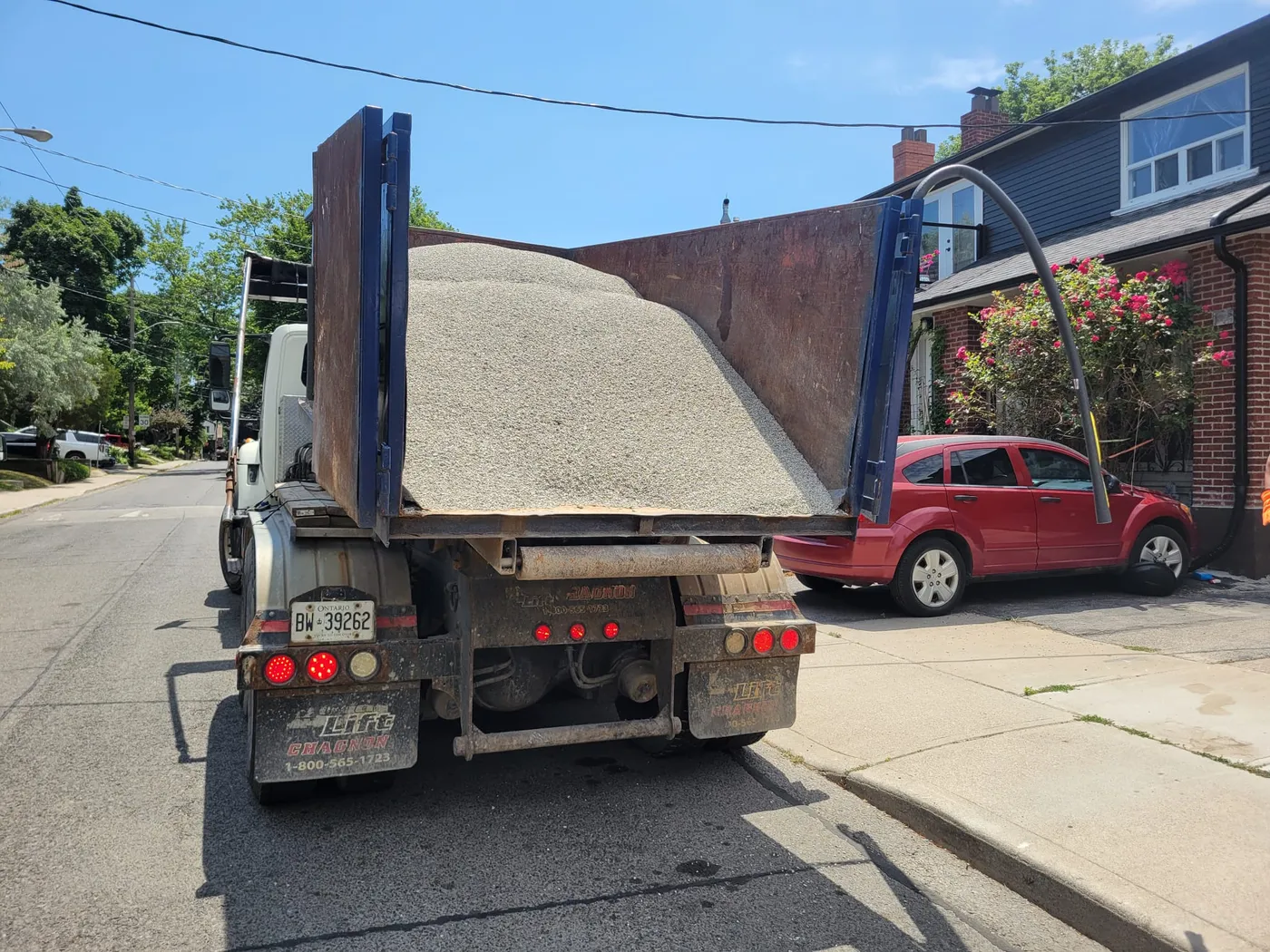
Acceptance rules for heavy rubble follow bin size, and they override any volume estimate. Dispose Your Stuff accepts pure aggregate loads such as concrete, brick, stone and soil only in its 4 and 10 yard bins, and does not take them in the 14, 20 or 40 yard bins. On a rubble-heavy job, the type of material settles the container size before the size of the pile enters the calculation.
A basement underpinning, a patio tear-out or a foundation repair that produces mostly rubble belongs in a 4 or 10 yard bin from the start. Loading that same rubble into a 20 or 40 yard bin falls outside what the company accepts, which puts the whole load at risk of being left on site when the crew arrives for pickup.
Jobs that produce both rubble and lighter debris carry the highest risk of a refused load, and the planning rule for them is to split the material. Aggregate goes into a small bin, while drywall, wood and packaging go into a separate, larger construction bin rental, so neither container ends up holding something it was never booked to carry.
Weekly or monthly rental periods
Dispose Your Stuff offers both weekly and monthly bin rental, and matching the rental period to the project schedule is the second lever on the bill after container size. Confirm the exact day counts and any extension terms for either period at the time of booking, since extra days are one of the charges that can push a flat rate higher once the bin is already on site.
A homeowner gutting one bathroom or kitchen and a contractor running a multi-phase build rarely need the same period. The weekly option fits a short, clearly defined demolition window, while the monthly option suits a site where framers, drywallers and finishers keep generating waste across a longer schedule and the bin needs to stay put between phases.
Booking the period that matches the real work schedule avoids two separate costs, paying for a bin that sits idle after the work wraps up and rebooking in the middle of a project that runs long. Once the dates are settled, online booking lets the order go in with the rental period already chosen alongside the size.
Picking a waste stream and checking the site
A mixed waste bin is the right booking when tear-out debris cannot practically be sorted on site, while a recycling bin suits a cleaner stream made up of a single material. Deciding which stream a job actually produces before delivery keeps the finished load matched to the service it was booked under.
Before calling Dispose Your Stuff at 647-227-2467, walk the site with a notepad and write down three answers: whether the waste is mostly aggregate, whether any solvents, tires or full paint cans are present, and whether the job runs a week or a month. Those answers set the bin size, the bin type and the rental period for a renovation or job site in Milton, Mississauga, Brampton, Oakville or Etobicoke, and they can go straight into the online booking form.