Ontario Environmental Protection Act Liability for GTA Residents
Mandatory Waste Custody Protocols
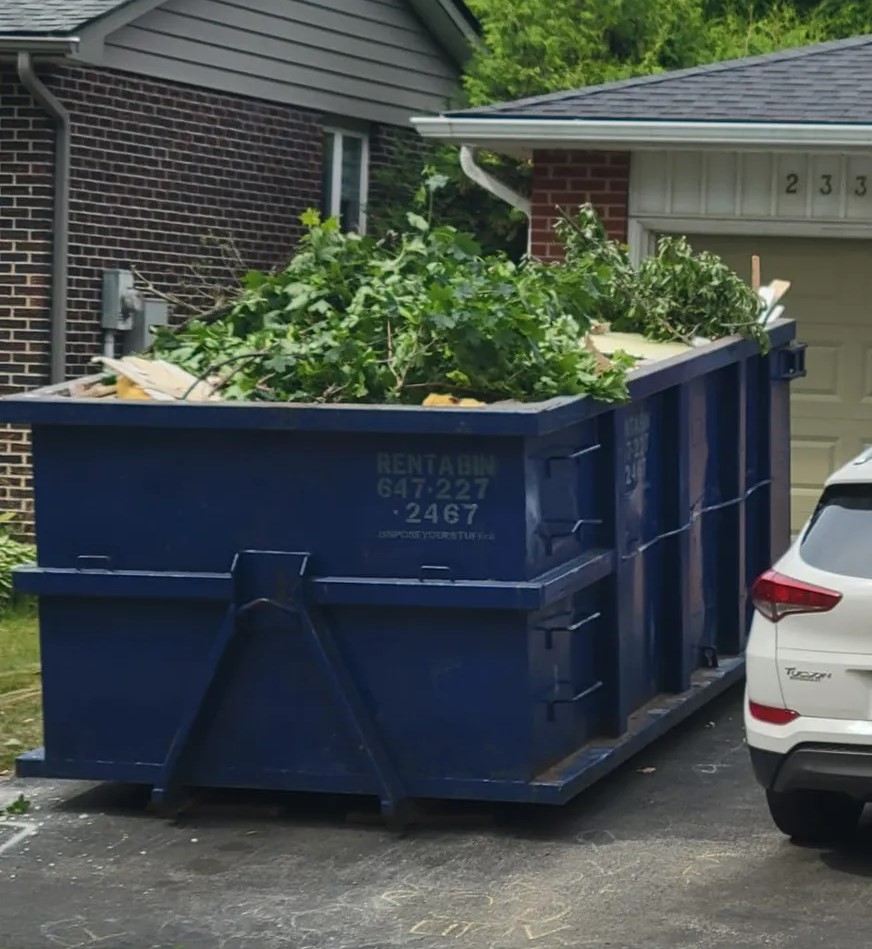
When a 14 yard bin is dropped at a residential driveway in Etobicoke, the renter assumes full legal custody of the contents until the load is tipped and verified at a licensed transfer station. This responsibility remains with the property owner. Any violation of EPA standards triggers penalties.
The financial risk of an improper toss is high, but the technical definition of what constitutes a hazardous material is often where the liability begins to compound. Identifying restricted items early prevents environmental non-compliance. Establishing these constraints is the only path to maintaining a safe renovation site in highly populated urban corridors.
Chemical Classifications Prohibited in Standard Bin Rentals
Hazardous Categories and Processing Constraints
Provincial waste management standards categorize household hazardous waste into four primary categories: corrosive, flammable, explosive, and poisonous. This classification system targets Designated Substances that require specialized handling at regional facilities. Ignoring these categories leads to significant project delays and potential legal intervention from municipal inspectors.
While a standard 10 yard bin handles heavy construction debris like concrete or drywall, the introduction of a single pressurized propane cylinder or a five-gallon pail of oil-based primer renders the entire load unprocessable. Projects involving asbestos abatement must utilize separate, certified disposal streams. The presence of asbestos-containing materials in a mixed waste bin results in immediate site shutdown.
- Lead-based paint chips from vintage siding or trim
- Aerosol containers under pressure including spray lubricants
- Mercury-containing thermostats and commercial light ballasts
- Pressurized cylinders regardless of remaining fuel volume
Identifying these chemicals is the first step, but the specific logistics of their removal depend entirely on which side of the municipal border the project sits. Correctly sorting hazardous primers ensures the remainder of the load remains eligible for standard processing. This distinction protects the integrity of local recycling programs across the GTA.
Municipal Drop Off Infrastructure in Toronto and Peel Region
Regional Access and Volumetric Restrictions
Residents in Mississauga must utilize the Peel Region Community Recycling Centres like the Fewster Drive location, which accepts up to 80 liters of liquid hazardous waste per day at no cost. This facility ensures that residential waste volumes do not enter the standard landfill stream. Adhering to these volumetric limits prevents system-wide bottlenecks.
Toronto residents have access to Community Environment Days, though these events are seasonally restricted and require on-site sorting that prohibits commercial-scale hazardous deposits. For year-round disposal, the Toxic Taxi service provides front-of-property pickup for eligible household volumes in the city.
Technical Consequences of Hazardous Material Contamination
Environmental Impact and Decontamination Fees
One liter of used motor oil can contaminate one million liters of groundwater.
The immediate operational question for a homeowner is what happens when a roll-off driver detects a prohibited scent or visible leak during the tarping process. Such a discovery leads to immediate load rejection at the curb. This preventatively avoids leachate contamination within the transfer station trucks and the broader regional sorting facility.
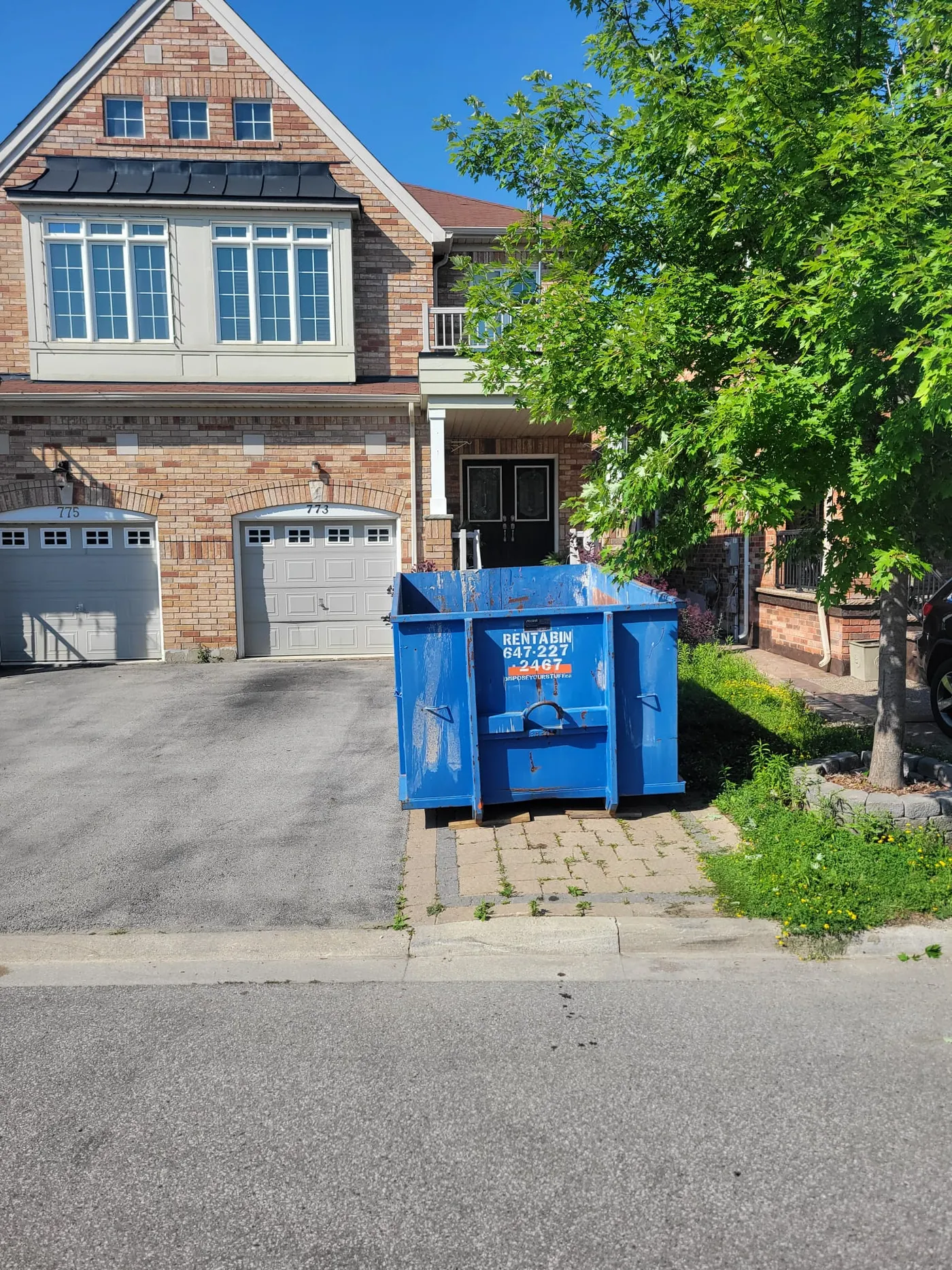
Operational delays at the curb are preferable to the multi-thousand dollar decontamination fees levied at the transfer station scale. These costs cover environmental remediation and the mitigation of soil vapor risks at the processing site. Any detection of leachate triggers a mandatory cleaning protocol that is billed directly to the waste generator.
Commercial Compliance for GTA Renovation Contractors
Liability Transfer and Regulatory Inspections
General contractors often assume the waste disposal company handles the sorting of hazardous primers and solvents, but the bill of lading identifies the generator of the waste as the liable party. This misunderstanding of liability often results in surprise penalties. Professional sites must obtain a Waste Generator Number for any project involving industrial-scale hazardous removals.
Large-scale 40 yard bins used on commercial sites in North York are subject to random Ministry of Environment inspections during transit. Inspectors verify that the contents match the official manifest provided by the contractor. Any undeclared restricted substances result in heavy corporate fines and the potential impoundment of the hauling vehicle.
Maintaining a clean manifest is a matter of insurance eligibility as much as it is a matter of municipal compliance. Insurers frequently review site disposal logs before renewing environmental liability coverage. A clean compliance record reduces long-term operational costs for GTA businesses.
Site Readiness and Chemical Verification Protocols
Before the 20 yard bin is scheduled for pickup, the project lead must perform a visual sweep of the top layer to ensure no aerosol cans or lithium-ion batteries have been tossed in by third parties. Verification of the flash point for any unknown liquid is a mandatory safety step. You can review mixed waste rules to ensure your load is compliant and avoid unnecessary environmental penalties.
Final Verification Protocols
Physical Checks and Volume Confirmation
Securing a renovation site against unauthorized disposal is a practical necessity in dense urban neighborhoods. A locked bin cover prevents the introduction of hazardous materials by passersby during overnight hours. This simple measure protects the financial security of the project throughout the rental period.
Verification of the seal on all liquid containers prevents leaks during the mechanical lifting of the unit. This step is operationally critical for maintaining site safety.
Verify the seal and volume of all liquid containers against the 10-liter Peel Region limit before the bin is loaded. Adhering to this specific volumetric threshold ensures the project remains within the parameters of the initial rental agreement. You can book your next rental with confidence by following these strict segregation guidelines.