
Choosing the right bin size affects project efficiency, cost, and site management. This comparison between 10, 14, and 20 yard bins clarifies volume, footprint, and ideal applications.
Bin Dimensions and Capacity
The 10 yard bin typically measures about 12 feet long, 7 feet wide, and 3.5 feet high, providing roughly 10 cubic yards of disposal volume. This compact size fits smaller projects and limited spaces.
The 14 yard bin offers a moderate step up, around 14 feet by 7.5 feet by 4 feet, totaling approximately 14 cubic yards. It balances capacity with accessibility for medium-scale waste.
The 20 yard bin measures near 16 feet long, 8 feet wide, and 4.5 feet high, holding close to 20 cubic yards. Larger footprint and volume make it suitable for sizable debris loads but require ample placement space.
Placement constraints and permit requirements often increase with bin size, impacting logistics.
See 10 yard bin specifications for details.

Appropriate Use Cases
10 yard bins serve small-scale tasks such as minor renovations or yard cleanup. Their smaller size suits projects with limited waste volume or restricted access.
The 14 yard bin fits moderate renovations, like kitchen remodels or garage cleanouts. Its size accommodates mixed waste types without overwhelming driveway space.
20 yard bins handle substantial loads, including full-floor renovations or commercial waste disposal. Their capacity reduces trip frequency but demands more site clearance.
Explore options for bin rental in Mississauga.
Cost Efficiency and Waste Density
Rental costs increase with bin size. Larger bins can lower total expense by minimizing pickups, but upfront fees are higher. Waste density plays a critical role: heavy materials fill weight limits before volume, while lighter debris fills volume first.
The 14 yard bin often represents the best balance between capacity and cost for mixed-material projects.
Refer to bin rental pricing details for precise cost analysis.
Site Access and Regulatory Considerations
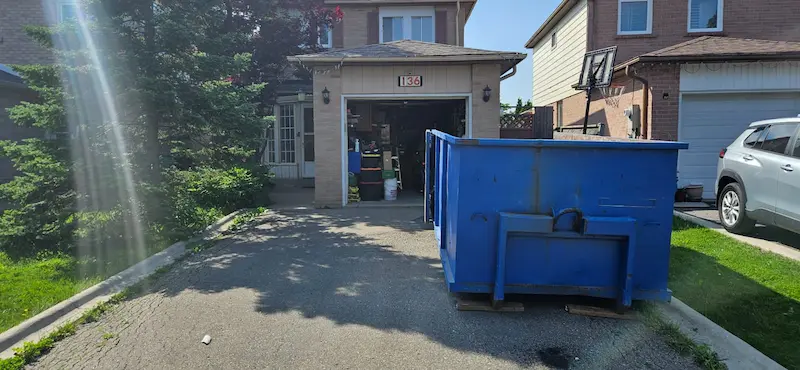
Smaller 10 yard bins fit confined spaces and narrow driveways, while larger 14 and 20 yard bins require broader access.
Placement on public property or sidewalks frequently requires permits. Confirm local regulations before scheduling a rental.
Review compliance for Toronto bin rentals.
Matching Bin Size to Waste Volume
- 10 yard bin: Small cleanups, yard waste, minor renovations
- 14 yard bin: Medium renovations, mixed waste loads
- 20 yard bin: Large construction debris, commercial waste
Details on 14 yard bin applications explain suitability.
Conclusion
Deciding between a 10 yard, 14 yard, or 20 yard bin depends on your project's scale, the nature of your waste, and site logistics. Smaller bins suit tight spaces and modest cleanups, while larger bins support more extensive work with fewer pickups. Factoring in local regulations and cost efficiency ensures your choice aligns with practical needs and budget.
For tailored advice and convenient booking, visit Dispose Your Stuff’s online booking to select the perfect bin size for your project.